
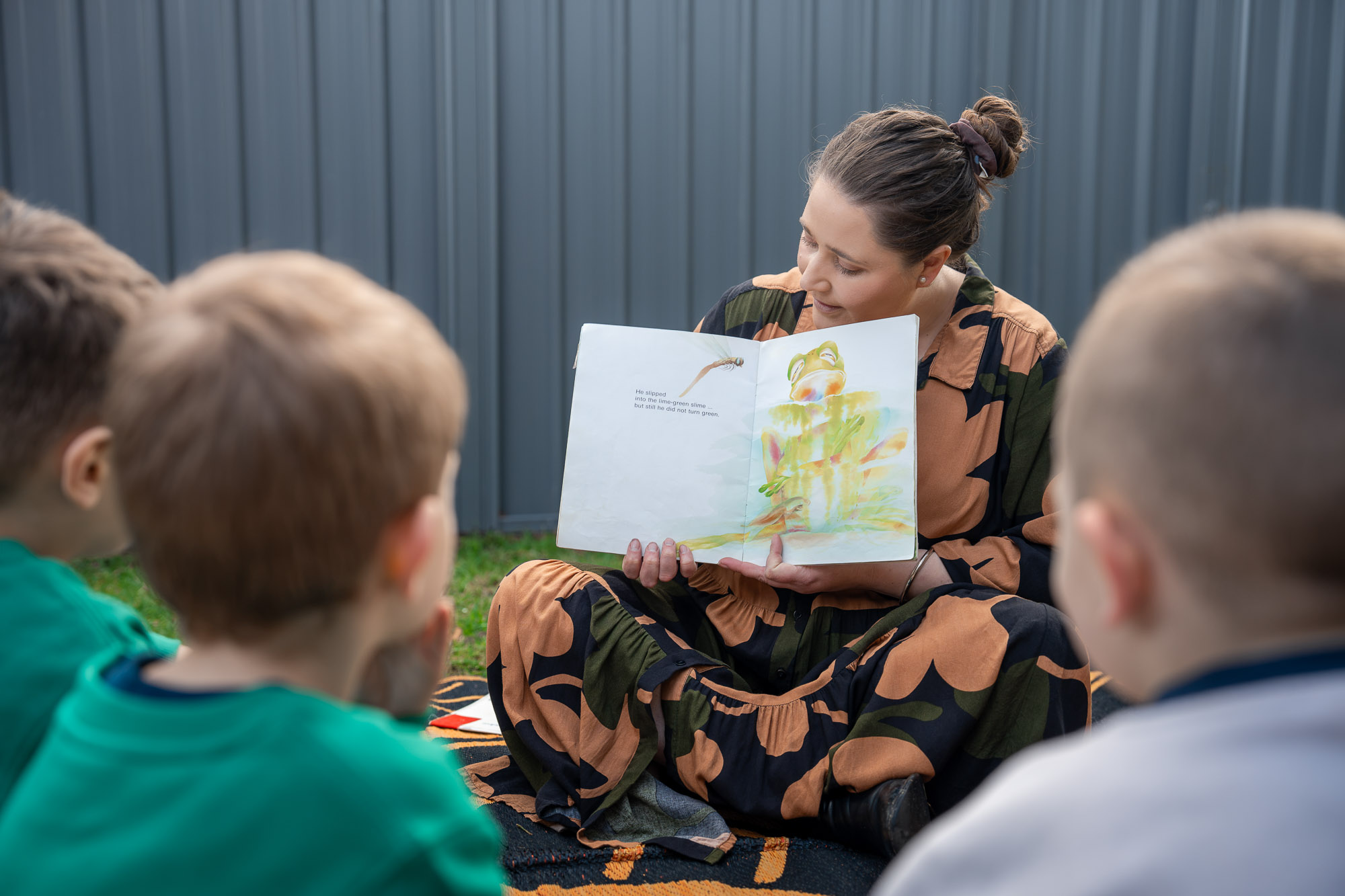
Capturing culture without compromising privacy.
Schools have never been more committed to celebrating the incredible learning, experiences and achievements happening within their communities. At the same time, the way schools approach photography and video is evolving.
With increasing conversations around student privacy, digital safety and the rapid advancement of artificial intelligence, many schools are rethinking how images of students are captured, shared and stored online.
At Arcus, we’ve been helping schools navigate this space for years.
Long before faceless photography became a trending concept, our team was already creating imagery that celebrated learning, connection and school culture without relying on identifiable student faces.
The Story Doesn’t Need a Face
Some of the most powerful school photography isn’t about who is in the image.
It’s about what’s happening.
A student carefully painting a masterpiece.
Hands collaborating on a robotics project.
Friends walking through the school gardens.
A teacher guiding a science experiment.
A Year 12 student proudly wearing their graduation jumper.
The excitement of Sports Day.
The energy of a school performance.
These moments tell authentic stories because they focus on the experience rather than the individual.
By capturing interactions, movement, hands-on learning, environments and emotion, schools can continue showcasing everything that makes them unique while respecting the privacy preferences of students and families.
Why Schools Are Looking at Faceless Media
Every school has different policies and consent requirements, but many are asking the same questions:
- How can we keep our website and social media current while respecting privacy?
- How do we create marketing content that has a longer lifespan?
- How can we reduce concerns around the future use of images online?
- How do we continue telling our story in an authentic way?
Faceless media provides another option.
It doesn’t replace traditional school photography—it complements it.
Schools can continue capturing vibrant learning environments, student engagement and community culture while producing content that is suitable for websites, enrolment campaigns, annual reports, social media and printed publications.
Designed for the Age of AI
Artificial intelligence is changing the way images can be searched, manipulated and repurposed online.
While schools continue to follow their own media consent policies, many are also considering how today’s images may be viewed and used in the future.
Faceless photography offers a practical way to reduce identifiable imagery in public-facing communications while still creating rich, engaging content that reflects the school’s identity.
It’s an approach that balances storytelling with responsible digital practice.
A Different Way to Tell Your Story
Our photographers don’t simply avoid faces.
They intentionally compose images that draw attention to:
- Learning in action
- Collaboration and teamwork
- Student achievements
- School facilities and environments
- Creativity and innovation
- Sporting and cultural experiences
- Community connection
- The everyday moments that make each school unique
The result is a library of timeless imagery that focuses on what your school does rather than who appears in the photograph.
Trusted by Schools Across South Australia
Arcus has worked alongside hundreds of schools, preschools and education providers across South Australia.
Faceless photography isn’t a new service for us—it’s an approach we’ve refined over many years to help schools confidently share their story while respecting the needs of their community.
Whether it’s a website refresh, social media campaign, annual report or prospectus, we can tailor every media shoot to suit your school’s consent requirements and communication goals.
Tell Your Story With Confidence
Every school deserves to showcase the incredible learning happening every day.
With thoughtful planning and experienced photographers, it’s possible to capture authentic moments, celebrate school culture and create engaging media—without relying on identifiable student faces.
Because the best school stories aren’t defined by a face.
They’re defined by the moments that shape a community.